“We are glad that in Hungary we are represented by Pintz & Partners in respect to patent and trademark matters. Their work is of high quality, worthy to the good reputation of AUDI.”
“Pintz & Partners makes it simple and easy for U.S. trademark attorneys to prepare and file European trademark applications and European designs. They are highly recommended.”
“Pintz & Partners has always been very professional, attentive and fast in taking care of our IP needs. It is always a pleasure to work with them, and we are pleased to recommend them.”

European Union Trademark filing
1 filing, 27 countries

European Design Filing
1 filing, 27 countries

European Patent filing
1 filing, 39 countries

European patent Validations
1 simple order, 39 countries

National trademark filing
Protect your brand with local experts

National patent filing
Protect your idea with local experts
Our blog

We are pleased to see our founder, György Pintz, featured in Managing IP’s “Five minutes with” series.
The interview looks back on more than four decades in intellectual property, from engineering and invention to building Pintz & Partners, with a few lessons from table tennis along the way.


In today’s competitive markets, product appearance plays a decisive role in consumer choice. A distinctive design is not only an aesthetic asset but also a key business advantage. When operating internationally, ensuring proper legal protection of that design becomes essential. The Hague System for the International Registration of Industrial Designs offers an efficient solution for securing such protection across multiple jurisdictions.

One of the key plotlines in Zootopia 2 revolves around a stolen patent. In the story, an innovative technology that regulates the city’s climate is taken from its inventor and later falsely patented under someone else’s name.
While this makes for an engaging storyline, the real patent system works quite differently from how it is portrayed in the film.

For innovative companies operating in the global market, it is increasingly important to protect their inventions with appropriate patent protection in multiple countries. One of the most important tools for achieving this is the PCT international patent application, which makes it possible to initiate the patenting process in several countries through a single procedure.
In this article, we explain the essence of the PCT system and outline the main practical advantages and disadvantages of filing a PCT application.

For many businesses, a brand does not stop at national borders. Companies selling products internationally, operating online, or planning global expansion quickly face an important question: how can a trademark be protected in multiple countries?
In this article, we explain how the Madrid route works, its main advantages, and the challenges businesses should consider when planning international trademark protection.

The protection of intellectual property has undergone significant transformation in recent years. In 2026, several trends can be observed in Hungary and across the European Union that directly affect companies’ IP strategies. The rise of new technologies—particularly artificial intelligence—the increasingly digitalized economy, and regulatory developments at the EU level are creating new challenges and opportunities in the fields of industrial property protection and copyright.
In this article, we have collected the most important IP trends in Hungary for 2026 that businesses, startups, and innovation-driven companies should pay attention to.
Timing plays a crucial role in intellectual property protection. It is no coincidence that one of the cornerstones of the international IP system is the Paris Convention, which grants applicants priority rights in more than 170 countries.
To use this system effectively and safely, it is essential to understand two key concepts: the filing date and the priority date.
But what exactly does a cease and desist letter mean under EU and Hungarian law, and what should your clients do if they receive one?

Can a color alone function as a trademark? The answer is yes – but with strict conditions. In Europe and Hungary, colors may be registered as trademarks if they are distinctive enough to identify the goods or services of one company from those of others.
Some of the world’s most iconic brands have succeeded in this: Tiffany Blue, Milka Purple, and Louboutin Red are prime examples. But not every attempt has been successful, and the bar for distinctiveness is high.
But what exactly does a cease and desist letter mean under EU and Hungarian law, and what should your clients do if they receive one?

A cease and desist letter is often the first step in an intellectual property dispute. For many businesses, receiving such a letter can be stressful: it usually alleges infringement of trademarks, designs, copyrights, or patents and demands that you immediately stop using a certain mark, product, or content.
But what exactly does a cease and desist letter mean under EU and Hungarian law, and what should your clients do if they receive one?

Software patents are one of the most misunderstood areas of intellectual property law. The European Patent Convention (EPC) explicitly excludes “programs for computers as such” from patentability. Many conclude from this that software cannot be patented at all in Europe.
The truth is more nuanced. If the software provides a technical solution to a technical problem – often by interacting with or controlling hardware – it can be patented. In addition, there are other valuable layers of protection available, such as copyright and voluntary registration in Hungary.

For many businesses, obtaining a trademark registration feels like the end of the journey. In reality, it is only the beginning. A registered right has little value if infringements go unnoticed. This is where trademark watch services come into play – systematic tools that monitor official registers and alert rights holders to new, potentially conflicting applications.
For IP firms managing client portfolios in the EU and Hungary, understanding how watch services work is essential.

When a business considers filing a trademark application, one of the first questions is how to file the logo: in colour, black-and-white, or even in greyscale. Many believe that if a trademark is registered in black-and-white, the protection automatically covers all colour variations – but this is no longer entirely the case. European practice has become harmonised in recent years, and it’s important to understand the current rules.

A trademarked brand name or patent has significant value, as long as it is not forgotten to renew it. Indeed, one administrative omission can lead to loss of exclusivity, registration by others or loss of protection of the invention.
But are all time limits final? Fortunately not. Hungarian law provides for a range of remedies if someone has missed a deadline, whether through inattention or force majeure.
In this article, we explain what time limits to bear in mind in trade mark and patent cases, and in which cases and how to restore rights. Let's get started!

Famous Hungarian brands and trademark strategy, how are they related? Much more than we think! The stories of the best-known Hungarian brands clearly highlight certain key aspects.
Especially if your company operates in the Central European region. From these stories we not only understand the past, but we can also draw concrete lessons for today's market environment. Let's get started!

Expanding IP protection into Hungary may seem straightforward until the details start to matter. From procedural nuances to language barriers and disclosure expectations, foreign IP firms often stumble on issues that could have been avoided with local insight.
In this article, we highlight the most common mistakes international attorneys make when filing in Hungary and how to avoid them before they become costly setbacks.

Sometimes a brand name is a legal weapon in itself. Good examples include Coca-Cola, Tesla, and Apple. These brand names are not just products, they have value and market power in their own right.
But what can a global brand owner do if someone in a completely different industry tries to trademark a similar mark to their name? If the brand name is well known enough, trademark law allows action even if the product range is completely different.
Explore what you need to know about reputation-based objections. In this article, we explain how this works in more detail.

The European Union has introduced a major reform to its design protection laws—bringing them in line with today’s digital-first world. If you create, own, or manage designs in the EU, especially ones that live online or in digital formats, this update is important.
The reform, led by the EU Intellectual Property Office (EUIPO), took effect on 1 May 2025 and includes new rules, fee structures, and broader protection for digital assets.
In this article, we’ll break down what’s changed, how much it costs, and why it matters—especially when it comes to filing new designs or renewing existing ones.

For IP law firms and corporate counsel managing international trademark portfolios, understanding the nuances of trademark opposition procedures in Hungary is critical.
As Hungary is part of the European Union and adheres to EU trademark regulations, it also maintains distinct national procedures that must be carefully navigated. Below is a tactical overview tailored to the needs of foreign attorneys involved in Hungarian trademark oppositions.

How to disclose inventions created using artificial intelligence? From the international office part, the message is clear. Disclosures should be more transparent when AI takes part in the invention process.
But what about the situation in Hungary? In this article, we summarise the most important facts. Well worth a read, because as a foreign applicant, failure to adapt can mean rejection, delays, and missed opportunities.

Without proper brand protection, companies in global marketplaces often watch helplessly as counterfeiters, unauthorised resellers or competitors hijack their brand names and product lists.
Owning a brand is not enough in these digital battlegrounds, it must be proven. That's why marketplaces like Amazon only offer full brand protection tools and enforcement options to those with an officially registered trademark.
In this article, we explain the most important points to know and do for brand protection on global marketplaces.

Key points to be aware of regarding protecting your patent in Hungary. Patent holders often assume that international or European patent registrations are sufficient.
But without strategic validation and local enforcement steps, your invention could be left unprotected and exposed to infringement.
This article explains how to properly secure and maintain your patent rights in Hungary and offers practical insight into avoiding costly mistakes that many innovative businesses make when entering this market.

Expanding into Hungary without securing your intellectual property is like entering a new market without locking your front door.
While Hungary is part of the European Union and benefits from its harmonised IP system, many international businesses are caught off guard by the local nuances. From translation obligations to enforcement challenges, failing to plan your IP strategy early can lead to loss of rights, reputational damage, and unnecessary costs.
In this article, we break down the most important steps to protect your trademarks, patents, and designs when entering the Hungarian market.

The European Patent Office (EPO) and Laos have taken a major step toward strengthening international patent protection with the enforcement of their validation agreement on April 1, 2025. This milestone allows applicants to validate their European patents in Laos, granting them the same legal rights as patents issued by the EPO. By simplifying the patent process, this agreement fosters innovation, strengthens legal certainty, and enhances investment opportunities in Laos.

European patent validation is an important step, although not necessarily the only one. Without proper validation, a patent has no legal force in any country.
As patent holders, therefore, it must be decided where and how to enforce rights. Choosing the inappropriate strategy, however, can lead to unnecessary costs or weak protection.
This article looks at the major enforcement options and helps to identify the most effective approach to protecting innovation in Europe.

Securing a trademark in the European Union is crucial for protecting a business's identity. However, the trademark registration process may not be risk-free. Many applicants make critical mistakes that can result in avoidable costs, litigation or even loss of rights.
In this article, we highlight the most common intellectual property (IP) mistakes made with EU trademarks and provide guidance on how to avoid them.

On December 13, 2024, the European Patent Office (EPO) and Costa Rica's Ministry of Justice and Peace signed a landmark validation agreement, making Costa Rica the first country in the Americas to join the EPO's validation system.
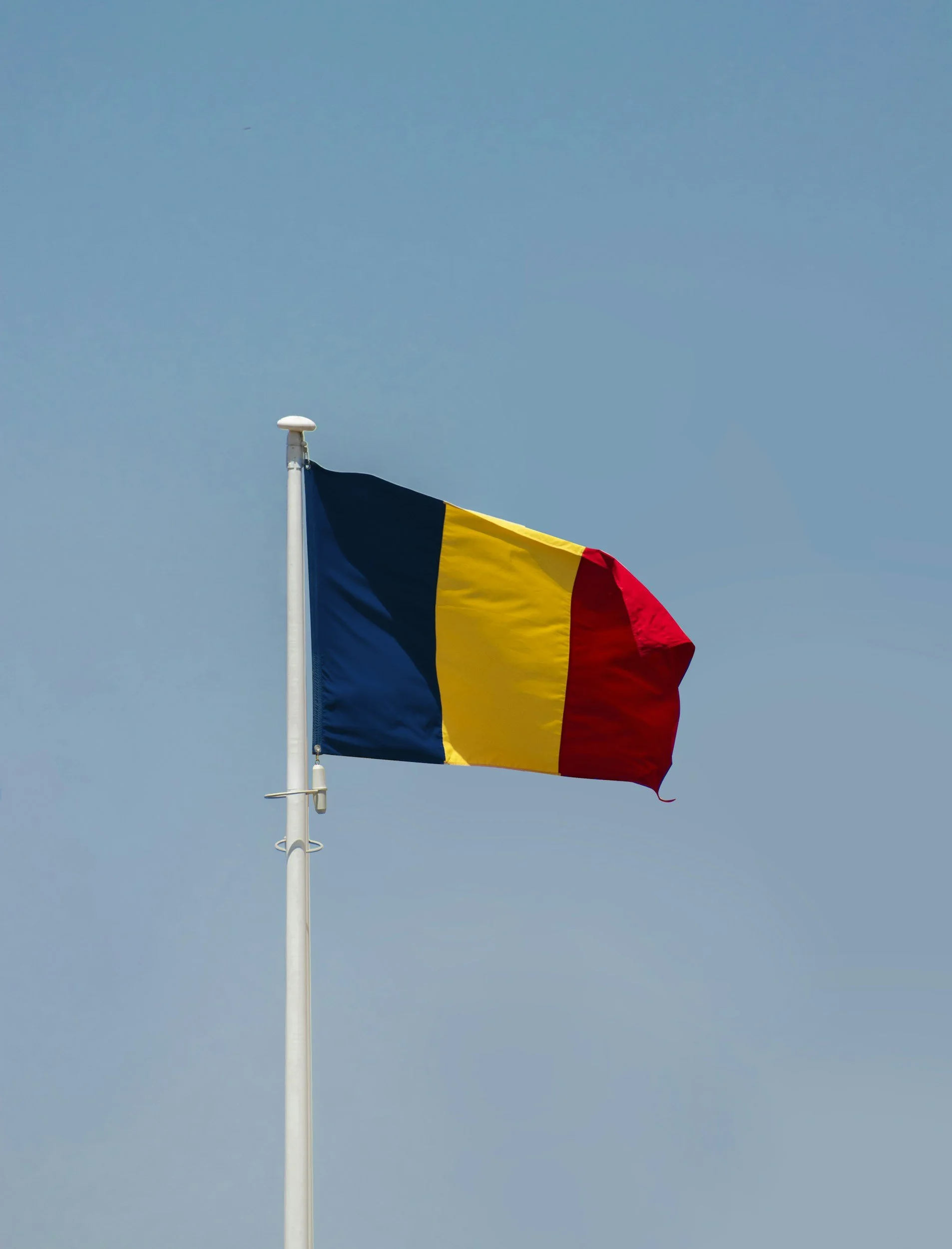
The European Patent Office (EPO) has announced that Romania will join to the Unitary Patent system on 1 September 2024. This will bring the total number of EU Member States participating in the Unitary Patent system to 18.

In the pulsating world of football, where the roar of the crowd meets the finesse of the game, rivalries extend beyond the pitch into realms of business and branding. In this article, we delve into the trademark perspectives of two football giants: Liverpool and Manchester City.

The European Patent Office (EPO) has announced an impending adjustment to its fee schedule, set to take effect on April 1st, 2024. This decision to increase fees may impact applicants and patent holders engaging with the EPO. For some of the fees the increase is up to 30%.
MEMBERSHIPS



RECOGNITIONS